
When we talk about mobile gaming, we’re not just talking about endless hours of casual fun on a phone. It’s a blend of high‑definition graphics, instant matchmaking, and micro‑transactions that turn a simple tap into a full‑blown entertainment ecosystem. In the UK, the term has moved from niche hobby to mainstream pastime, with 47 % of adults owning a smartphone that runs at least one game app as of 2023.
Why the Numbers Matter
Last year, UK mobile gaming revenue hit £1.2 billion, a 15 % jump from 2022. That’s more than the combined earnings of several regional sports leagues. The growth isn’t just in money; it’s in the variety of experiences. From hyper‑realistic shooters to puzzle‑based storytelling, there are now over 10,000 titles available in the Google Play and Apple App stores that cater to every taste.
How the Shift Happens
Three forces drive the change: network speed, processor power, and social integration. 5G rollout has cut download times from 15 minutes to under a minute for most games. CPUs in flag‑ship phones can now handle physics engines that were once the preserve of consoles. Finally, cross‑platform play lets friends in the UK and abroad battle or collaborate in real time, turning a solitary pastime into a community event.
The Social Side of Gaming
Mobile games are no longer isolated experiences. Features like in‑app voice chat, live streams, and community forums blur the line between player and audience. A 2023 survey found that 63 % of UK gamers say they “discover new music or movies through game soundtracks.” The ripple effect is clear: game developers are now partnering with artists, brands, and even charities to create immersive cross‑media campaigns.
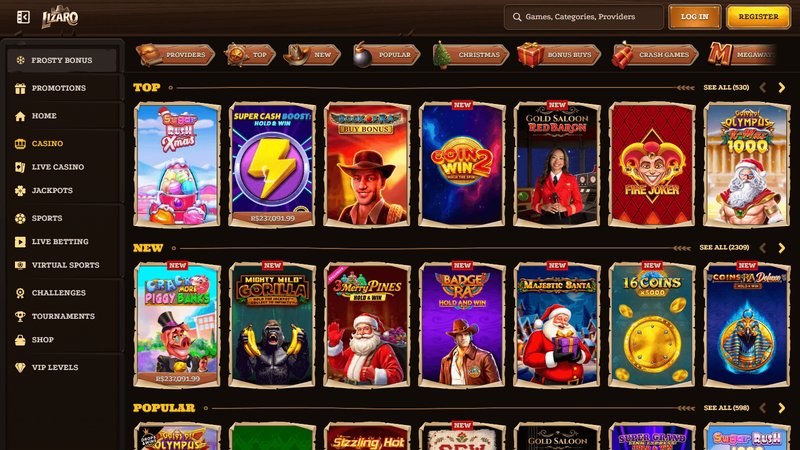
Players often turn to online casinos for a quick thrill, and sites like Lizaro offer a seamless gaming experience.
From Arcade to Couch
In the past, a visit to an arcade meant a ticket‑based queue and a fixed price. Today, a single purchase on a phone can unlock a season pass worth £25, offering daily challenges and exclusive skins. The cost is spread out, making high‑end gaming accessible to a broader audience. However, the same model can trap players into a “pay‑to‑win” loop, especially when free‑to‑play titles offer paid boosters that give significant gameplay advantages.
How Mobile Gaming Is Revolutionizing the UK’s Entertainment Scene
Beyond the screen, mobile gaming has seeped into everyday life. In pubs and cafés, people queue for the latest battle royale, while commuters use the ride‑time to solve puzzle‑adventures that reward real‑world points redeemable at local shops. The cultural shift is tangible: a 2024 poll showed that 29 % of UK adults now consider gaming a primary leisure activity, rivaling traditional television viewing.
What This Means for Other Sectors
Retailers are responding by creating in‑store experiences that tie back to popular games. A London boutique, for instance, offers a virtual reality headset that lets shoppers try on outfits in a simulated runway. Educational institutions have begun using game‑based learning platforms to teach coding, history, and mathematics, noting a 22 % improvement in engagement scores.
Potential Pitfalls
Not every advantage is smooth. The rapid pace of content updates can leave older devices lagging, creating a digital divide. Additionally, the same micro‑transaction models that fund free games often lead to hidden costs that can catch unsuspecting parents off guard, especially when “in‑app purchases” are not clearly labeled.
Looking Ahead
What’s next? Augmented reality is poised to layer game worlds onto the real environment, turning a park bench into a battlefield or a museum tour into an interactive quest. Meanwhile, artificial intelligence is being used to craft personalized narratives that adapt to a player’s choices in real time, making every session feel uniquely tailored.
In short, mobile gaming has moved from a side hobby to a cornerstone of UK entertainment. Its blend of accessibility, social connectivity, and cross‑industry collaboration is reshaping how we spend leisure time, how businesses engage customers, and how we even learn new skills. As the technology matures, the only certainty is that the next chapter will be even more immersive and integrated than the last.
Frequently Asked Questions
What exactly is mobile gaming?
Mobile gaming refers to playing video games on smartphones, tablets, or other handheld devices, combining high‑definition graphics, instant matchmaking, and in‑app purchases.
How big is the mobile gaming market in the UK?
In 2023, 47% of UK adults owned a smartphone that ran at least one game app, generating £1.2 billion in revenue—a 15% increase from the previous year.


Sin comentarios